Cover Site Prep & Utilities: The Torrance Owner’s Guide
Cover site prep and utility work in Torrance typically runs $8,500 to $22,000 depending on your lot’s existing conditions, and our crew handles the full scope: trenching, foundation support, sewer and water connections, electrical service, and the final grading your Cover unit needs before its modules arrive. Most owners discover their site prep was incomplete when the Cover delivery team shows up and the pad is out of level by an inch, or the electrical panel is undersized for the unit’s load. If you’re reading this, you probably already know the feeling: a Cover product sitting in a staging yard while the lot isn’t ready, or a utility rough-in that failed inspection because the trench depth didn’t meet Torrance code.
We’ve fixed enough of these to know exactly what Torrance lots throw at you. Clay soil near the Del Amo area moves more than people expect. Older panels in South Bay homes from the 1970s are often 100-amp units that can’t carry an ADU’s load without a service upgrade. And the Torrance Building & Safety Division has specific requirements for utility trench separation that catch first-timers off guard every single week.
We stock the common fittings, conduit, water line materials, and panel components on our trucks so when something fails mid-project, we’re not waiting on a supply house run. Call (424) 488-0926 and we’ll walk your lot with you and tell you what your Cover unit actually needs.
Which Cover Models This Applies To
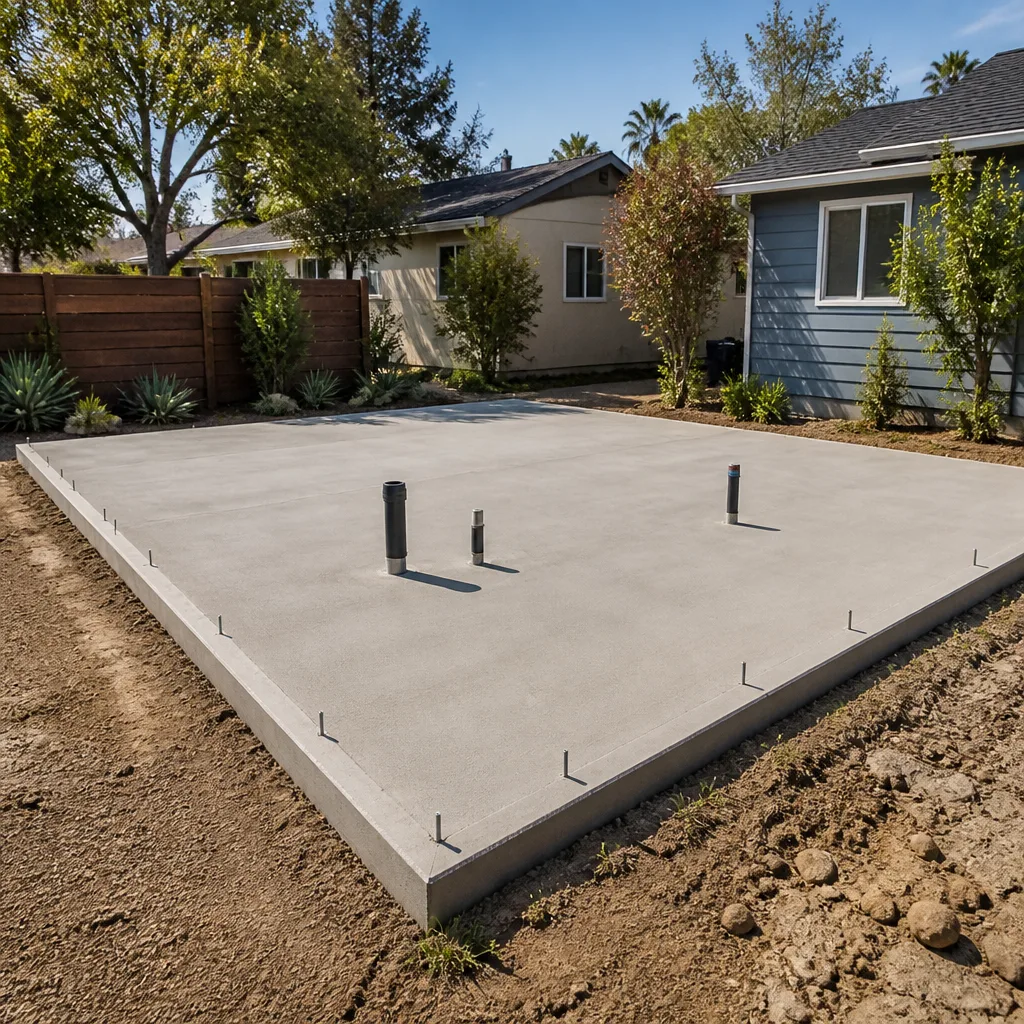
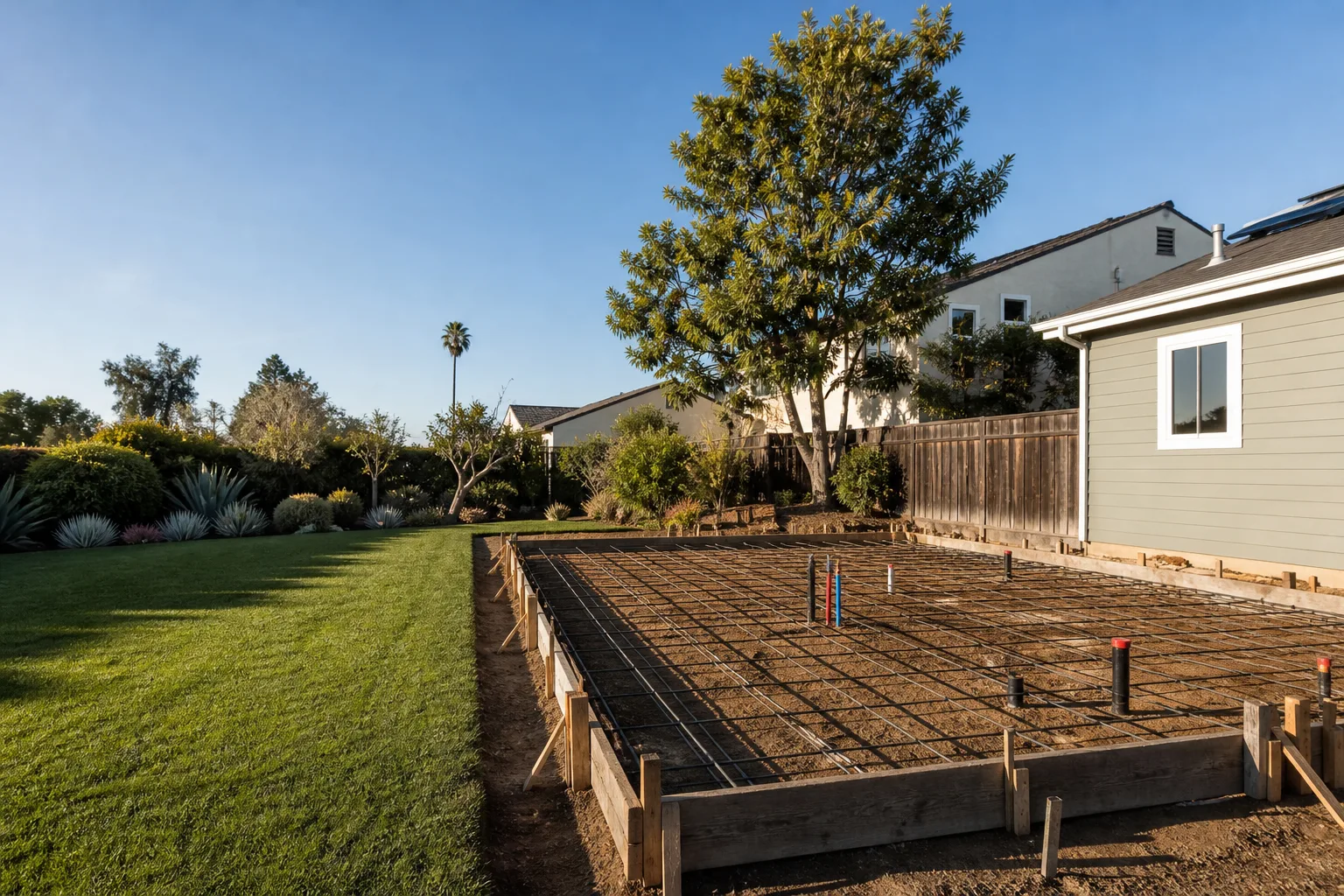
Cover builds panelized backyard homes, and every one of them has the same fundamental site requirements despite differences in square footage and layout. Whether you bought a Cover unit that’s 600 square feet or one closer to 1,200, the site prep work follows the same logic: a level, engineered foundation pad; utility stubs placed according to the specific model’s mechanical room location; and drainage that moves water away from the structure the way the soil report says it should.
The compatibility gotcha most Torrance owners hit is the utility stub location. Cover’s mechanical and utility connections are positioned based on the orientation of the module on the lot. If your site prep contractor ran sewer and water to where the kitchen is shown on the floor plan, but the module arrives rotated 90 degrees (which happens more often than anyone wants to admit), you’re re-trenching. We always verify stub locations against the final approved Cover site plan before we dig, and we photograph everything before backfill so there’s a record of exactly where every line sits.
For the site prep and utilities category specifically, you’re deciding between OEM-specified materials and code-equivalent aftermarket components. Cover’s site prep specs call for standard materials, not proprietary parts. That means you don’t need Cover-specific conduit. What you need is conduit and water line that meets or exceeds the spec sheet and Torrance’s adopted building codes. We source from suppliers that carry the same materials used on Cover installs throughout Los Angeles County. If you’re working with a unit from Abodu or Dvele, the same logic applies, but Cover’s foundation requirements are what we see most often in Torrance and we know the plate heights, anchor bolt patterns, and utility separation distances by heart.
Signs Your Cover Site Prep & Utilities Is Failing
- Standing water near the pad after rain. Torrance gets enough winter rain that poor grading shows itself fast. Water pooling within five feet of the foundation means the drainage plan wasn’t followed or soil settled after backfill. Left alone, it erodes the pad’s support over time.
- Visible cracks in the foundation perimeter. Hairline cracks within the first year usually mean the base material wasn’t compacted to spec. On Torrance’s clay-heavy lots, this is the classic early-warning sign that the subgrade wasn’t stabilized before concrete was poured.
- Sewer line backups or slow drains in the ADU. If the waste line was set too shallow or at the wrong slope, you’ll see slow drainage within months. Torrance code requires a minimum slope on waste lines, and a quarter-inch sag over forty feet is enough to cause recurring clogs.
- Breakers tripping when the mini-split kicks on. This almost always traces back to an undersized panel or wrong-gauge wire from the main house to the ADU. If your electrician ran #10 wire where #8 was required, the load calculation passes on paper and fails in real life.
- Water pressure drops when the ADU’s shower runs. The main house’s water service may have been designed for one structure, not two. A one-inch service line can’t feed a three-bedroom house and a 600-square-foot ADU with a dishwasher and washing machine without a noticeable pressure drop.
Replacement Cost & What’s Included
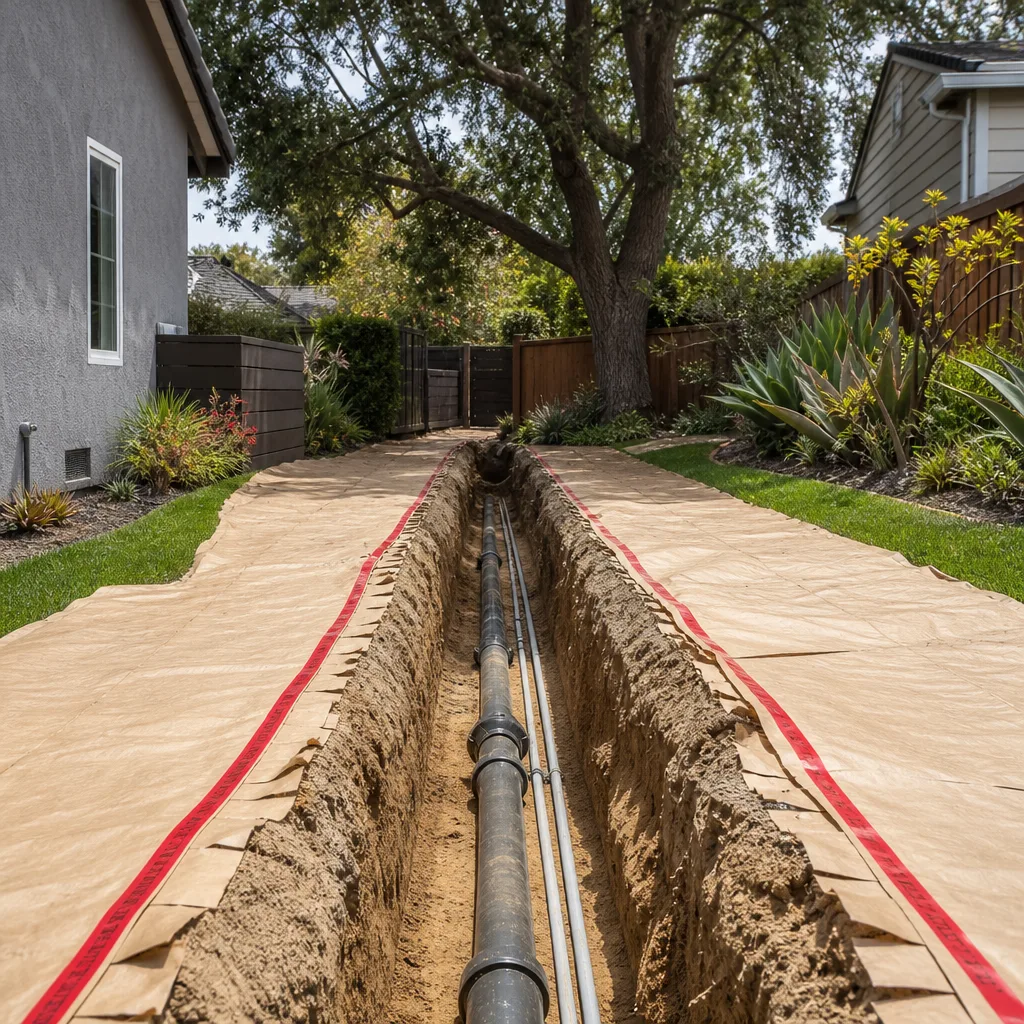
Here’s what Torrance homeowners can expect to pay for Cover site prep and utility work, based on current local labor and material rates:
- Full site prep package (typical lot): $8,500 – $14,000 – includes grading, excavation, base compaction, forms, rebar, concrete pad, and drainage rough-in.
- Utility rough-in (sewer, water, electrical): $6,000 – $10,500 – includes trenching from main house connections to the ADU stub locations, conduit, water line, waste line, backfill, and inspection coordination.
- Electrical panel upgrade (if required): $2,800 – $5,500 – common on 100-amp homes. You’ll need 200-amp service when an ADU shares the main panel.
- Correcting failed or incomplete site prep: $3,000 – $9,000 – depends on what went wrong and how deep the fix goes. Re-trenching and re-grading cost more than starting right the first time.
Every quote from Seedling ADU Torrance includes a written line-item price before work starts. No change orders because we forgot something. The 365-Day Done Right Promise covers the site prep and utility work. If something we installed fails within the first year, we fix it, in writing. Ben Ortega walks every site twice before a permit gets filed, and this is exactly why: the second walk is when you find the thing that would have cost you five grand later.
DIY or Call Us?
There are two parts of this job with real safety stakes: anything involving the electrical panel or service connection, and trenching that goes deeper than 18 inches. A live panel can kill you. A collapsing trench can kill you. Those aren’t exaggerations, they’re the reason excavation and electrical work require permits and licensed contractors in the state of California.
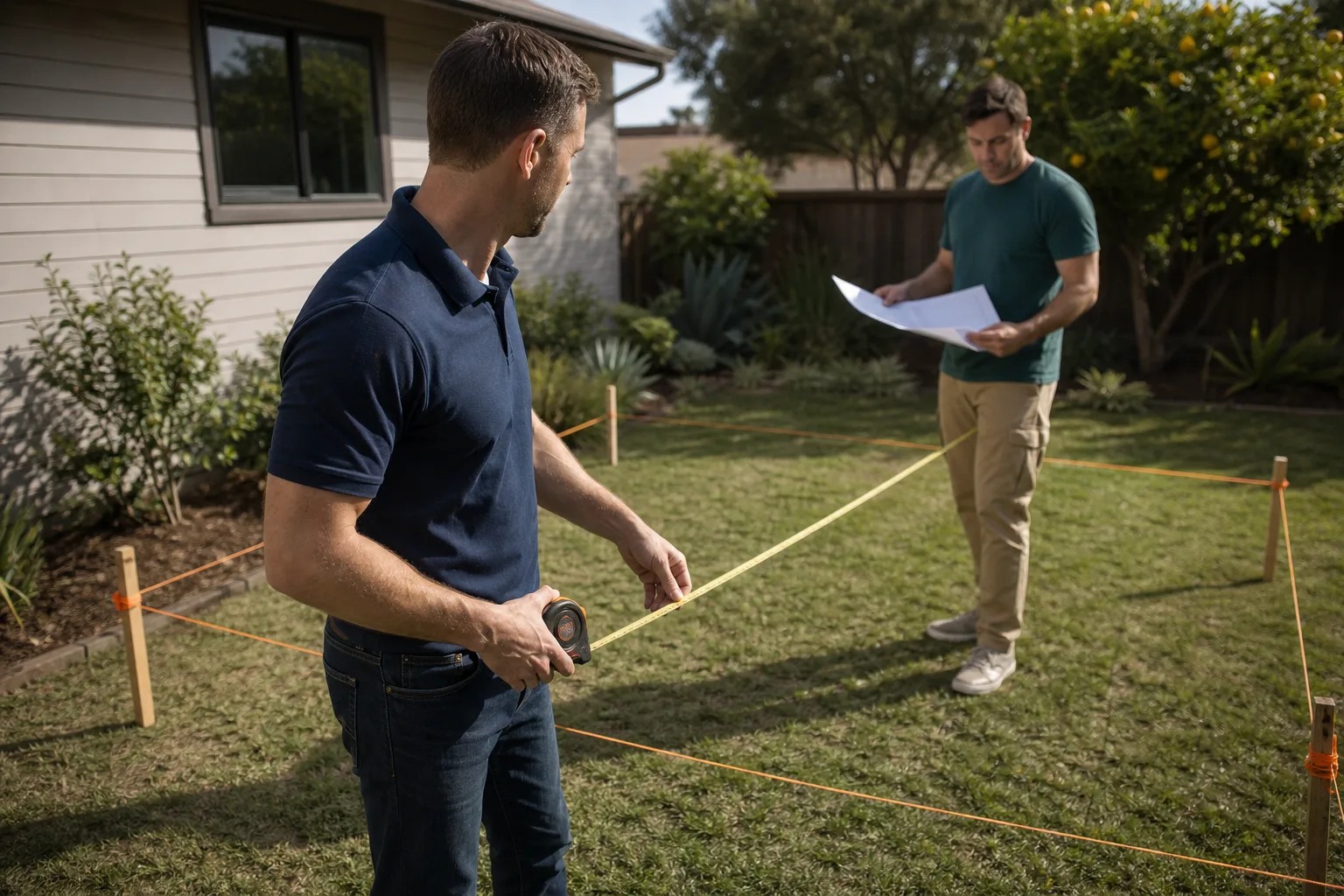
What you can safely do yourself: flag your sprinkler lines and identify where your main sewer line exits the house. Walk the lot and note where water pools after rain. Check your main panel’s amperage by reading the breaker. These observations help you understand what you’re dealing with before you talk to anyone. What you shouldn’t do: dig trenches without calling DigAlert first, touch any electrical connection, or attempt to reset sewer line slope by hand. We’ve seen homeowners try to save two thousand dollars and end up paying twelve to fix what the first attempt broke.
If your Cover site prep has failed or you suspect the utilities were roughed in wrong, call (424) 488-0926. We’ll send someone who knows what to look for, and you’ll get a straight answer about what it costs to make it right.
FAQs
A properly compacted foundation pad on a Torrance lot should last the life of the structure, which for a panelized home means decades, but the utility connections (fittings, valves, panel connections) will realistically need attention every 20 to 30 years. The weak point in Southern California is almost always underground PVC joints exposed to shifting clay soil. Call (424) 488-0926 and we’ll tell you what your specific lot is likely to do over time.
Sometimes yes, depending on the failure. Drainage issues and panel upgrades are usually repairable without touching the foundation. But if the pad itself is cracked due to poor compaction, a repair means grinding and pouring a new section or replacing the whole pad. We’ll tell you which one you’re looking at in the first hour on site.
For a typical Torrance lot, expect one to two weeks from excavation to final inspection, with utility trenching and rough-in taking three to four days of that window. Inspections with the City of Torrance are scheduled within a few days of request, and weather rarely delays work in the South Bay.
Yes. Our trucks carry the most common conduit sizes, water line, fittings, and panel components needed for Cover-spec site prep in Torrance, which means when something fails or inspectors flag a correction, we handle it without a supply-house delay. If your project needs a less common component, our suppliers in the South Bay stock it and we can usually have it same-day or next morning.
Written by Ben Ortega, Owner, Seedling ADU Torrance at Seedling ADU Torrance, serving Torrance and nearby areas.