Tuff Shed Site Prep & Utilities: The Torrance Owner’s Guide
Site prep and utility rough-in for a Tuff Shed in Torrance typically runs $2,800 – $7,500 installed, depending on soil conditions, trench length, and whether you’re bringing power, water, or both to the structure. We keep the most common Tuff Shed-compatible site prep materials and utility components on our trucks, and we can usually diagnose what your shed pad or utility run needs the same day we walk the site. Most Torrance homeowners figure out something’s wrong after the first real rain, when water pools against the shed base, or when the panel trips the moment a heater or saw gets plugged in.
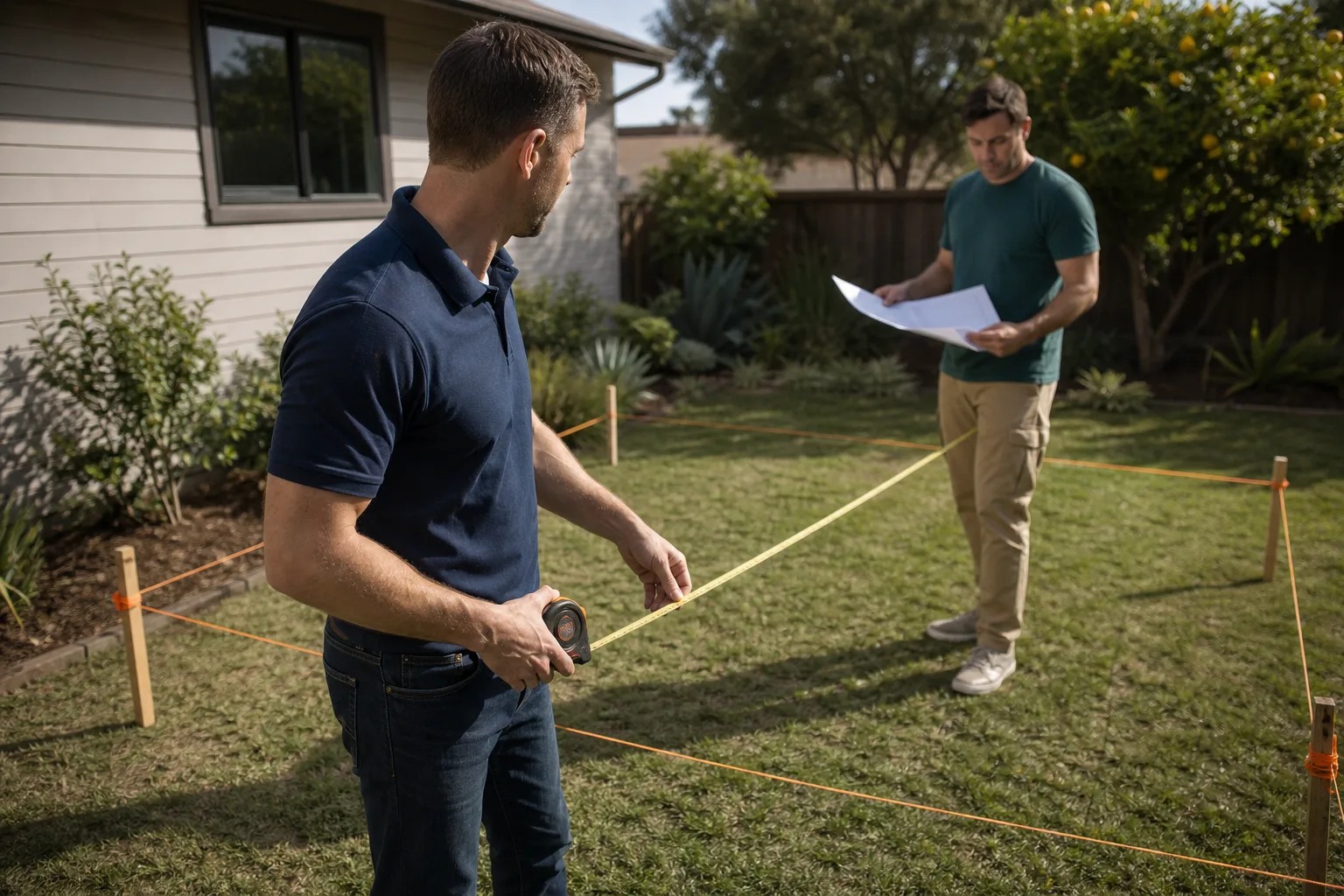
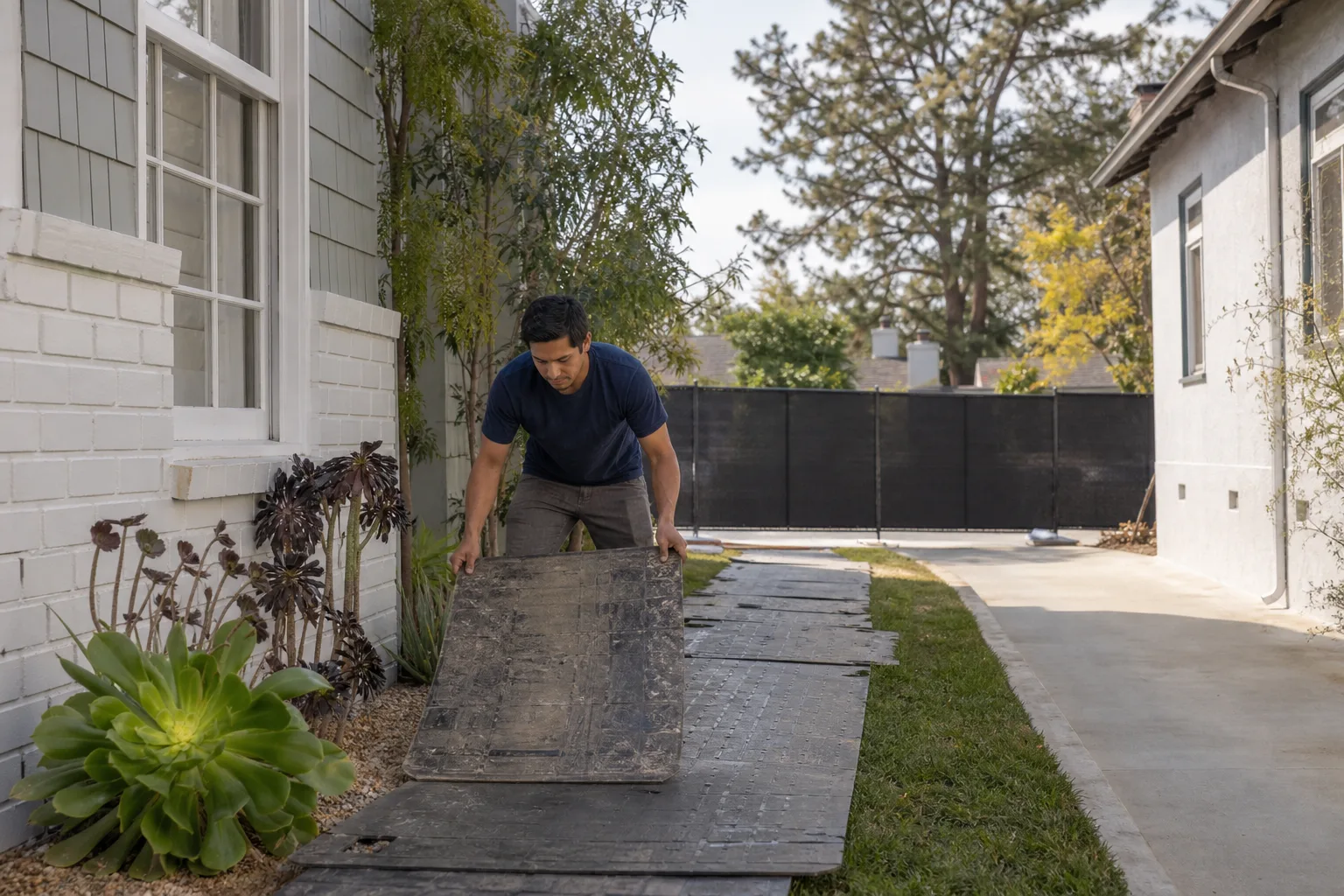
Here’s the thing about Tuff Shed site work: the shed itself is a solid product, but the ground it sits on and the utilities feeding it are entirely up to whoever does the prep. We’ve seen well-built sheds start to settle within two years because the pad wasn’t compacted right, or because nobody accounted for Torrance’s clay-heavy soil expanding and contracting through the seasons. The good news is we’d fix both, and we’d put it in writing before the crew shows up. If you’re near the Del Amo area or anywhere else in Torrance, our process is the same: we walk the site, we measure, we write a price, and then we do the work with the Cedarwell Care Promise in place. That means shoe covers inside any part of your home we walk through, drop cloths, pet-safe products where there’s a choice, and a clean-up photo before we leave.
Which Tuff Shed Models This Applies To
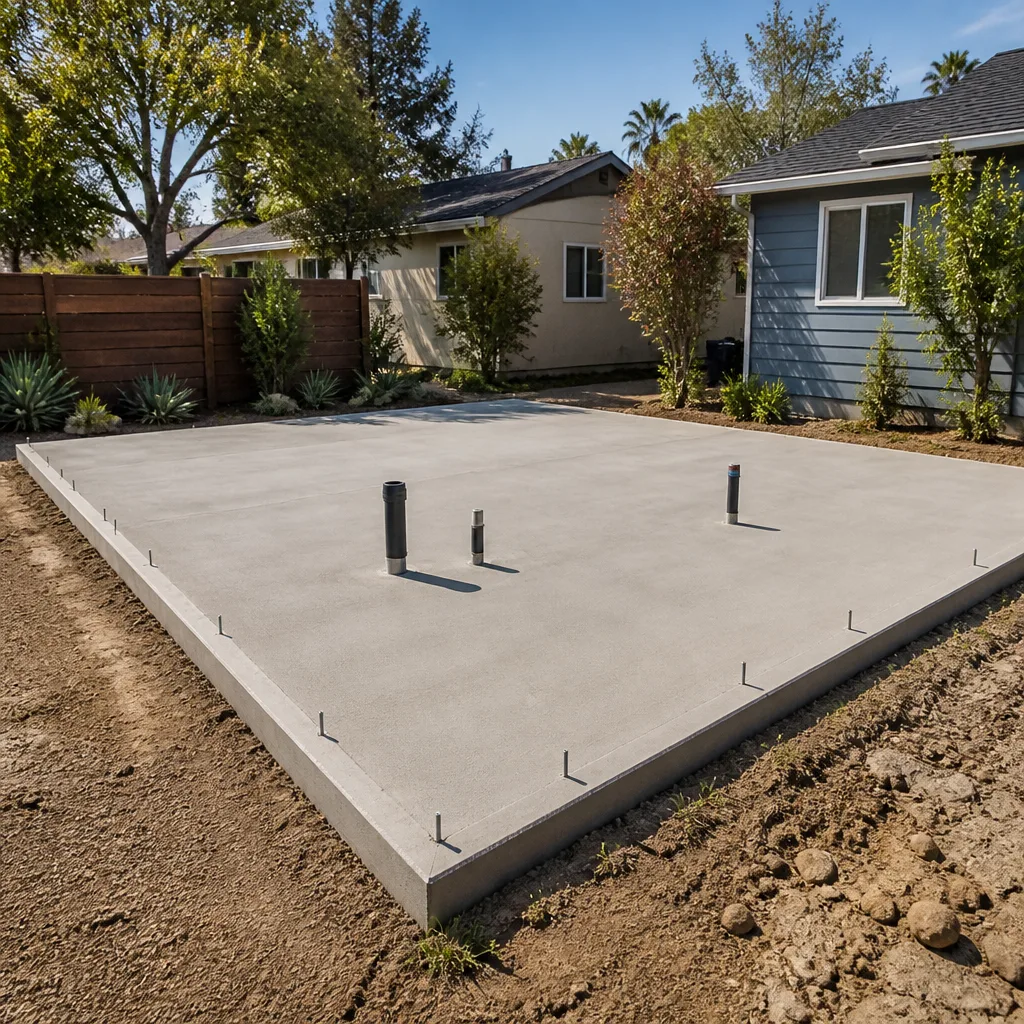
Site prep and utility rough-in applies to every Tuff Shed product, from the Premier Pro series to the Premier Ranch and the two-story Barn series. Tuff Shed builds the structure; the pad, base, anchors, and utility stubs are all components that get handled locally. So whether you have a 10×12 Pro Tall Barn or a 16×20 Premier Ranch, the ground beneath it and the electrical panel feeding it follow the same rules.
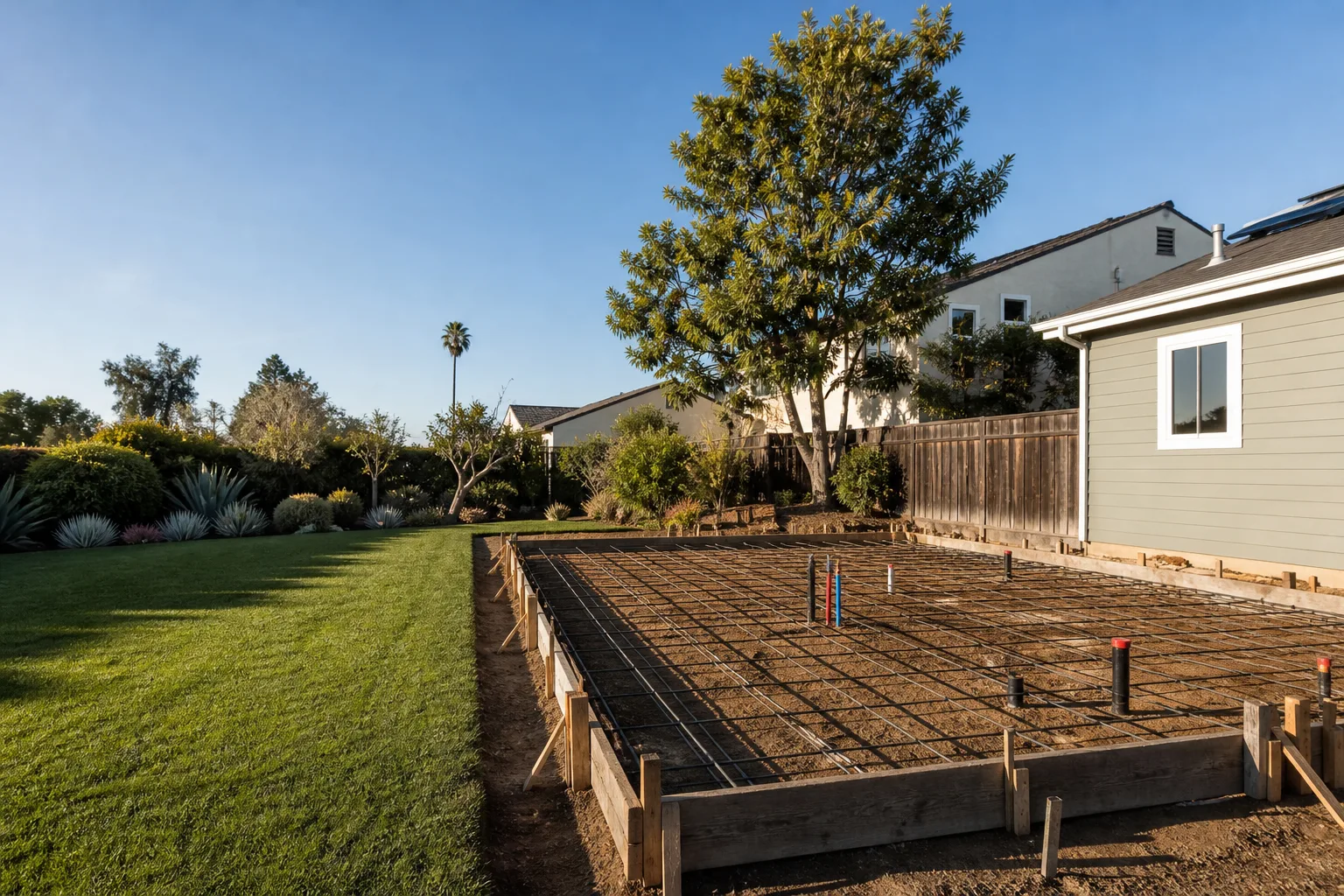
One compatibility gotcha we run into often: Tuff Shed’s engineered drawings typically call for a level gravel pad or concrete slab with specific anchor requirements, but the drawings assume the soil below drains. Torrance has pockets of very heavy clay, particularly in sections of South Torrance and parts west of Crenshaw Boulevard, and clay holds water instead of shedding it. If the gravel base isn’t thick enough or the slab isn’t reinforced to handle seasonal movement, the shed floor starts to telegraph those shifts within 18 to 36 months. So the OEM-vs-aftermarket decision for site prep isn’t really about parts; it’s about depth and drainage. We spec thicker base material than the minimum when we see clay, and we use stainless or hot-dip galvanized anchors near the coast, because the marine layer west of Anza Avenue is harder on steel than most people expect.
For utility connections, the compatibility question is simpler but still worth your attention. A basic Tuff Shed build usually calls for a 20-amp circuit if you’re just running lights and a workbench outlet. If you plan to run a table saw, a small AC unit, or heat, you need a dedicated subpanel sized to the actual load, not just whatever the handyman has left in the van. We work with the shed’s structure, not against it: conduit runs should follow the gable end where the wall studs are easier to seal around, and any water stub-out needs a shutoff valve accessible from outside the shed. Ben Ortega has walked enough of these to know that the label on the box doesn’t matter half as much as the ground under it.
Signs Your Tuff Shed Site Prep & Utilities Is Failing
- Water pooling along the shed base or seeping under the door. The pad has started to lose its slope, or the surrounding grade is directing water toward the shed instead of away from it. In Torrance, this usually shows up after a few good winter storms and gets worse every year.
- The shed floor feels spongy or bounces in one corner. The base beneath the floor joists has settled unevenly, often because the original pad wasn’t compacted or a corner is sitting on soft clay. Left alone, the floor framing starts to twist, and the door stops latching square.
- Doors and windows stick or no longer close cleanly. This is the shed telling you the foundation has moved. A Tuff Shed that was square at installation and is no longer square means settlement or swelling below grade.
- The breaker trips when you run more than one tool or appliance. The original electrical run was undersized for how you actually use the shed. Torrance homeowners add fridges, heaters, and battery chargers to sheds all the time, and a 15-amp circuit that handled a light and a radio is not going to carry a small heater and a table saw.
- You see rust stains on the anchors or a white chalky film on the galvanized hardware. Salt air and moisture from the marine layer, common within a few miles of the coast, are chewing through the metal. Once the anchors look like that, they’re holding less than they’re rated for.
Replacement Cost & What’s Included
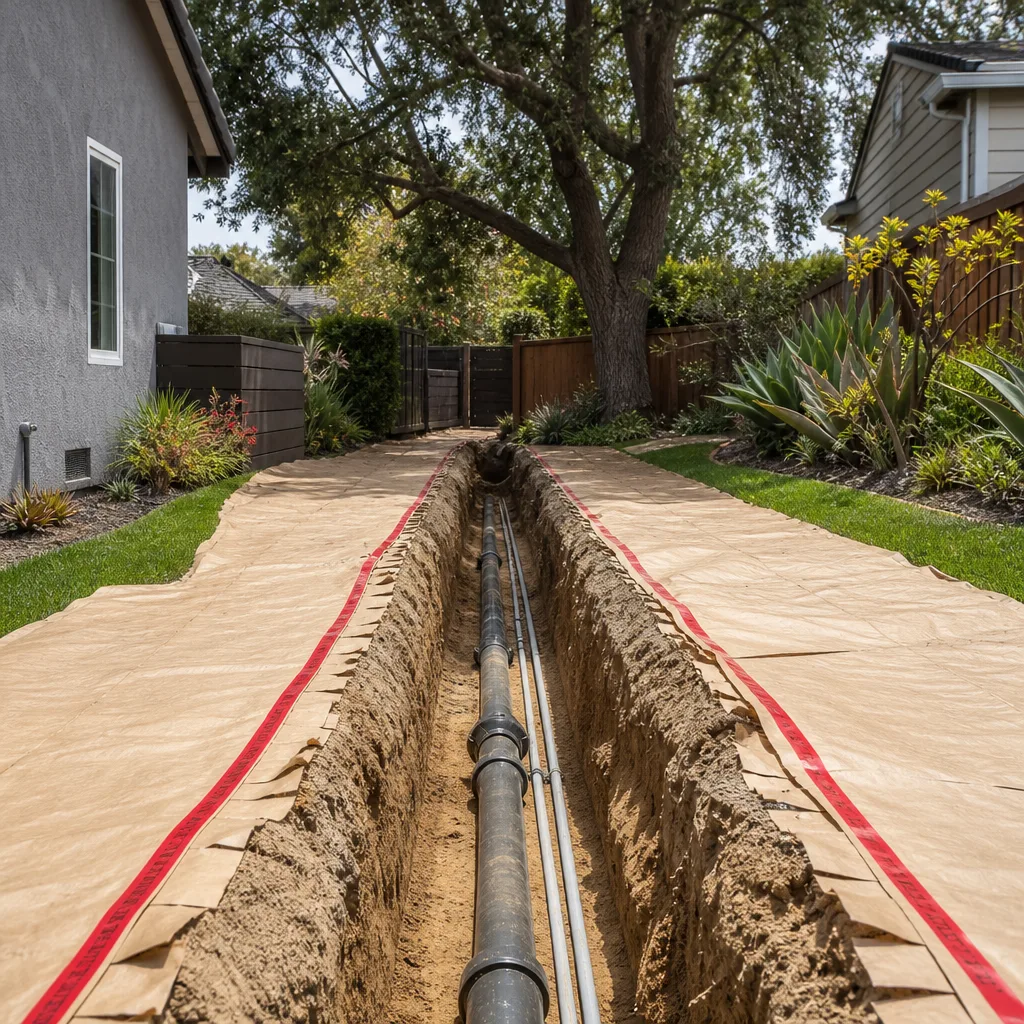
In Torrance, full site prep for a standard single-story Tuff Shed runs $2,800 – $4,200, which includes demolition of the failed base if needed, soil compaction, a properly sloped gravel or concrete pad, anchors, and final grading. Adding an electrical subpanel and conduit run to the shed runs $1,800 – $3,300 depending on trench length, panel capacity, and whether we’re tying into an existing panel or upgrading service. A simple water stub-out with a frost-free shutoff adds $600 – $1,200 on most Torrance lots.
We write the price before any work starts. No change orders because we hit a surprise root, no re-quote after the crew gets the material on site. If we uncover something we didn’t expect, we stop and talk to you before we spend a dollar more. The work itself carries the 365-Day Done Right Promise: if it’s not right, we make it right. That’s in writing on every project.
DIY or Call Us?
A homeowner in Torrance can absolutely do the investigative work: check for standing water around the base after rain, look at the anchors for rust, make note of which appliances trip the breaker, and take a level to the floor corners. Knowing what’s wrong before you call anyone will save you money, because it keeps the conversation focused.
The actual site work is a different story. Digging trenches for conduit means knowing what’s already buried in your yard. Torrance has gas, water, sewer, cable, and fiber all running through neighborhoods, and hittings a line isn’t cheap or safe. Electrical work on a subpanel is genuinely dangerous, and if it isn’t permitted and inspected correctly, you’ll be explaining it to the next buyer or your insurance company. We pull permits, schedule inspections, and leave the site ready for the inspector. If you’d rather us look at it first, call (424) 488-0926. The estimate is free. Measure it right the first time and you only have one conversation about the budget.
FAQs
A properly built gravel pad or concrete slab on compacted soil in Torrance should hold up for 15 to 25 years before you see meaningful movement, though anchor hardware near the coast may need replacement around the 10-year mark. The variables are drainage, soil type, and how much water gets directed at the base every winter. Call (424) 488-0926 if you’re seeing movement sooner than that; something in the original prep was likely underbuilt.
Sometimes, yes, if only one corner has settled. We can lift and re-shim in a repair, or install helical piers under the low section. But once the floor framing has twisted or the slab has cracked through in multiple places, a full redo usually costs less in the long run and gives you a fresh, warrantied base. We’ll tell you which one your situation needs, and we’ll quote both if it helps you decide.
A full site prep for a standard Tuff Shed in Torrance typically takes two to four days, including demolition, base work, and finish grading. An electrical rough-in and panel tie-in usually adds one to two days plus the time for the city inspection. We’ll give you a schedule in writing before we start, and a live person picks up the phone 24/7 if you have questions mid-build.
Yes. We keep base materials, anchors, conduit, subpanels, and shutoff valves stocked on our Torrance trucks, and we can source Tuff Shed-specific anchor kits and any Abodu, Cover, or Dvele utility components the same week. Seedling ADU Torrance is an independent service provider and isn’t affiliated with Tuff Shed, but we’ve worked with their products for years and we know what their structures need from the ground up.
Written by Ben Ortega, Owner, Seedling ADU Torrance at Seedling ADU Torrance, serving Torrance and nearby areas.