Last updated October 15, 2026
ADU Cost Breakdown: The Torrance Homeowner’s Reference for 2026
Two Torrance homeowners on the same street can receive ADU quotes that differ by $80,000 or more for what sounds like the same project. One contractor priced a 750-square-foot one-bedroom with a kitchenette, drywall, and a mini-split. The other priced the same square footage with full electrical panel upgrade, foundation work through expansive soil, and a Title 24 energy report. The finished buildings look similar in photos. The line items tell a different story. This guide walks through every cost category in a Torrance ADU, what drives the numbers up or down, and where low bids quietly remove things you’ll end up paying for after the crew leaves. For a deeper look at the full process, see The Complete Guide to ADU in Torrance.
Quick Answer
A detached ADU in Torrance in 2026 typically costs between $220,000 and $380,000 for a 600 to 800-square-foot unit, while an attached addition runs $180,000 to $300,000, and a garage conversion lands between $120,000 and $200,000. The spread reflects scope differences in foundation, utilities, and finishes, not contractor randomness. A written line-item scope is the only reliable way to compare bids, and families who review scope before signing rarely see their number move at close-out.
Table of Contents
- Cost Ranges by ADU Type in Torrance
- The Line Items That Actually Drive Cost
- Soft Costs Low Bids Omit
- How Torrance’s Labor Market Affects Your Bid
- What You Can Control vs. What Creates Liability
- What a Written Fixed-Price Contract Should Itemize
- Prefab and Panelized Options in Torrance
- Common Mistakes to Avoid
- When to Call a Professional
- Frequently Asked Questions
- The Bottom Line
Cost Ranges by ADU Type in Torrance
Three ADU types dominate Torrance’s accessory dwelling market: garage conversions (or JADUs), attached additions, and detached new construction. Each carries its own cost structure because each touches different parts of your property, requires different permitting, and involves different levels of foundation and utility work.
A garage conversion in Torrance generally runs $120,000 to $200,000 for a studio or one-bedroom. The existing structure means no new foundation, no new roof in most cases, and no new exterior walls. What you pay for is bringing the space up to habitable standards: insulation, electrical service, plumbing rough-in if you’re adding a bathroom, drywall, flooring, windows if the garage door comes out, and a heating and cooling system. Torrance code requires a minimum ceiling height in habitable rooms, and some older garages in the El Nido or Walteria neighborhoods need structural reinforcement before finish work can start. If you’re seeing red flags during contractor walkthroughs, our ADU Warning Signs: A Torrance Homeowner’s Reference Guide covers what to watch for.
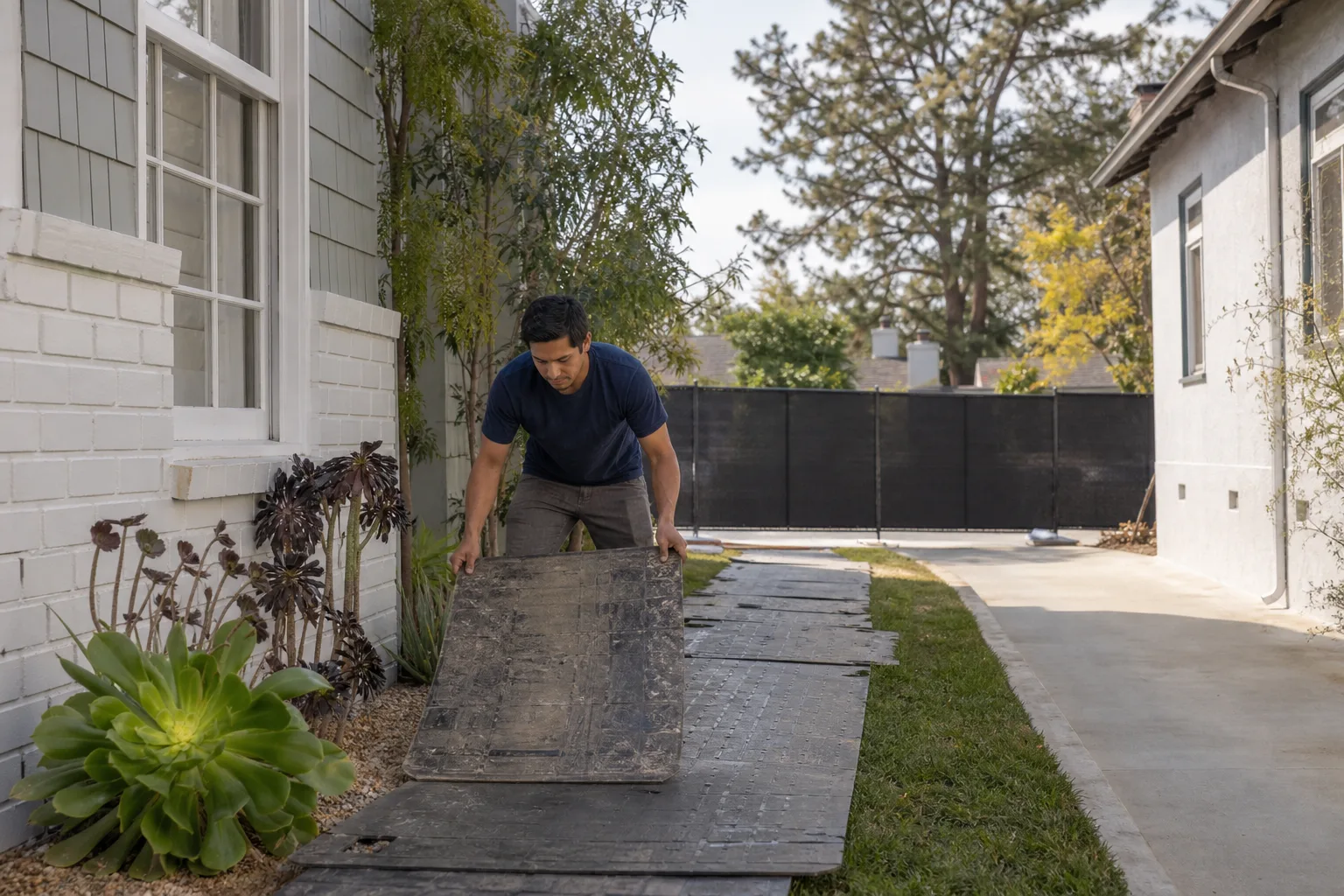
An attached addition in Torrance, where the ADU shares a wall with the main house, typically costs $180,000 to $300,000. You’re paying for new foundation, framing, roofing tied into the existing roofline, and often a panel upgrade to handle the added electrical load. Because the addition connects to the house, the crew’s work affects your daily life more directly than a detached build. Dust control, floor protection, and schedule discipline matter here, and that’s part of why our Home Addition Contractor in Torrance work always includes shoe covers and drop cloths inside the home, plus a photo of the clean-up before the crew leaves.
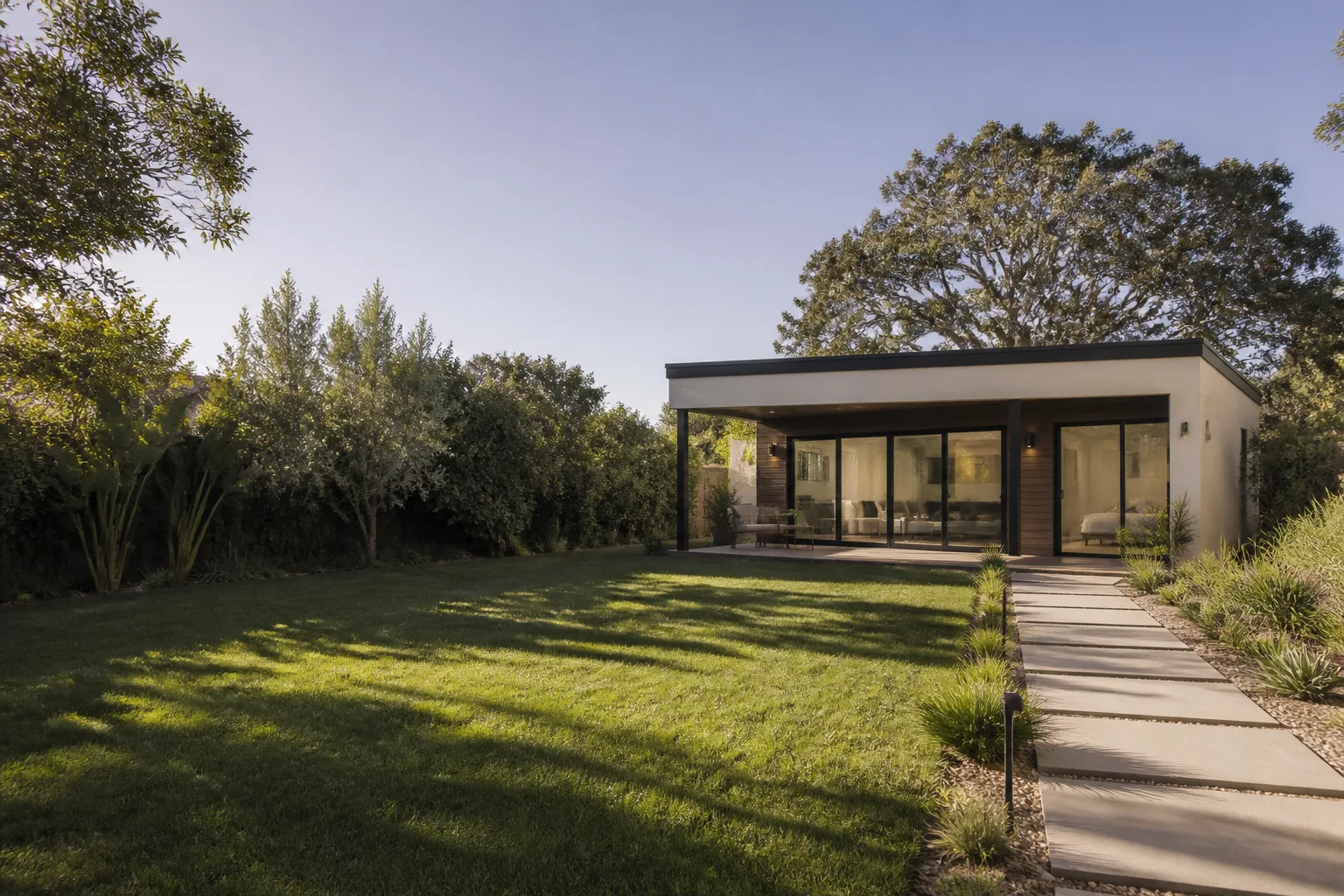
A detached new construction ADU in Torrance is the most expensive path at $220,000 to $380,000 for a 600 to 800-square-foot unit. You pay for full site work, new foundation on Torrance’s varying soil conditions, independent utility connections, and a complete building envelope. Homes in South Torrance near the coast face marine-layer moisture that affects siding choices, while inland neighborhoods deal with heat that pushes insulation and glazing specifications. The number you’ll see on the permit set reflects all of this.
The Line Items That Actually Drive Cost
When we sit down with Torrance homeowners to review bids, we tell them to look at six line items before they look at the bottom number. These six categories account for most of the $80,000 spread between quotes:
- Foundation and site work: Torrance soil ranges from sandy coastal fill to expansive clay in the hills. A quote that assumes a simple slab may not include soil testing, grading, or deeper footings that the city’s building department will require. This line item alone can swing $15,000 to $30,000.
- Electrical service and panel: Many homes in Torrance’s older neighborhoods still run 100-amp panels. An ADU with a kitchen and laundry needs its own subpanel and often a main panel upgrade to 200 amps. Low bids sometimes omit the upgrade, leaving the homeowner to discover the extra cost when LADWP or the city inspector flags it.
- Plumbing runs: Detached ADUs need water and sewer lines trenched from the main house or street. The distance from your meter to the unit matters. A unit at the back of a deep lot costs more than one adjacent to the existing plumbing wall. Trenching through mature tree roots or concrete patio removal adds to the number.
- Heating and cooling: A mini-split system sized for a studio costs less than a ducted system for a two-bedroom. Torrance’s climate means cooling is no longer optional, so cheap bids that include only a wall heater are pricing an incomplete project for how families actually live here.
- Finishes: Flooring, cabinets, countertops, tile, and fixtures range from builder-grade to custom. Two identical floor plans can differ by $25,000 in finishes alone. The key is that the quote tells you exactly which finish level you’re getting, by brand and model where possible.
- Exterior envelope: Stucco, siding, roofing, and windows are where long-term maintenance costs live. We work with James Hardie siding on Torrance projects where homeowners want durability against coastal moisture without repainting every few years.
Soft Costs Low Bids Omit
Soft costs are the expenses that don’t show up as physical materials or labor but hit your budget before, during, and after construction. When a Torrance bid seems dramatically lower than others, these are the first place to look for what’s missing.
Torrance plan-check fees run on a schedule based on project valuation. Expect several thousand dollars for a typical ADU, separate from the building permit itself. Title 24 energy compliance reports, required for every new ADU in California, add another $1,500 to $3,000 depending on system complexity. For a full breakdown of regulatory requirements, see ADU Permits, Codes & Inspections in CA: What You Need to Know. Engineering stamps for foundation and structural plans are often a separate line item from architectural drawings, and in Torrance’s varied soil conditions, a soils report may be required before the engineer will stamp anything. Utility connection deposits and fees from Southern California Edison, SoCalGas, and the water district vary by location and existing service capacity. School district fees apply to new square footage in some Torrance zones, though ADUs under 750 square feet may qualify for exemptions. A contractor who shows you a bottom-line number without these line items is not giving you a complete price.
Here’s what a complete soft cost list should include:
- Architectural and structural drawings
- Title 24 energy compliance report
- Torrance plan-check and building permit fees
- School district fees where applicable
- Utility connection and deposits: SCE, SoCalGas, water
- Survey or site plan if required
- Soils report where the city or engineer requires it
How Torrance’s Labor Market Affects Your Bid
Most online ADU cost calculators pull from national or Inland Empire benchmarks, and those numbers don’t hold up in Torrance. We’re a coastal city inside the Los Angeles metro labor market, which means trade wages and material delivery costs run 15 to 25% higher than Riverside or San Bernardino county references. Framing crews who work the South Bay command higher rates, and they should, because they’re building to tighter seismic standards and working with more complex site conditions than a flat lot in the Inland Empire.
Material costs in Torrance follow the same pattern. Lumber and drywall delivery from regional suppliers includes LA-area fuel surcharges and traffic-time labor hours that a Fresno-based calculator never accounts for. Concrete prices in the South Bay run above state averages due to batch plant proximity and demand from ongoing infrastructure work. This is not a Torrance penalty; it is the real cost of building on the coast, and families should expect bids here to exceed what a generic online tool suggests.
For custom or panelized detached units, we also see price differences based on the product line. Some Torrance homeowners choose Plant Prefab or Mighty Buildings for the factory-built precision and predictable materials. Others prefer Boxabl’s panelized approach for smaller units on tight lots. Each product has a different cost structure, and we help families compare the actual delivered price for their lot rather than assuming a prefab is always cheaper or always more expensive than stick-built.
What You Can Control vs. What Creates Liability
There are three cost categories that homeowners can legitimately shape, and three where cutting creates problems that cost more to fix than to do correctly the first time.
You can control finishes, scope of the space, and timing. Choosing a simple bathroom fixture package over custom tile saves real money without affecting the building’s safety or longevity. Building a 600-square-foot unit instead of 800 saves on every trade. Scheduling your build during a slower season, if your family schedule allows, may improve labor pricing in the current market.
You should not cut foundation work, electrical capacity, or waterproofing. A foundation engineered for your specific soil condition is non-negotiable; Torrance inspectors will not sign off on undersized footings, and they shouldn’t. Electrical panel work is a safety issue, and skimping here creates fire risk, not just inconvenience. Waterproofing and drainage around a detached unit matters in a climate that sees winter rain and coastal moisture. These three categories are where liability lives, and a contractor who offers big savings on them is asking you to absorb the risk.
What a Written Fixed-Price Contract Should Itemize
A written fixed-price contract is the single most important document in your ADU project. The families we work with know the number before we start because we put it in writing, line by line. For more guides & resources on protecting your budget, here’s what that document should contain so the number holds at close-out:
- Scope of work: Every room, every system, every material category in plain language. If it says “bathroom,” it should say what’s in the bathroom: vanity, toilet, shower or tub, tile surrounds, exhaust fan.
- Allowances: Finish items like flooring, fixtures, and countertops often carry an allowance. The contract should state the per-item allowance and who covers overages if you choose above it.
- Permit and fee schedule: Which permits are included, which fees are pass-through, and at what amounts. Torrance plan-check and building fees should be itemized, not absorbed into a vague “permits” line.
- Engineered plans and reports: Title 24, structural calculations, and soils report if applicable, with the cost stated.
- Site work and utility connections: Trenching, meter work, panel upgrade, and any concrete or landscaping restoration.
- Exclusions: What is not included. A good contract names exclusions explicitly so there’s no debate later.
- Payment schedule tied to milestones: Not arbitrary dates but completed work: foundation poured, framing inspected, drywall hung, final inspection passed.
- Warranty terms: What’s covered and for how long, in writing. Our 365-Day Done Right Promise states that if it’s not done right, we make it right, covering every ADU, garage conversion, and home addition we build.
Prefab and Panelized Options in Torrance
Torrance homeowners increasingly ask about prefab and panelized construction, and the conversation is worth having before you commit to a path. Prefab doesn’t automatically mean cheaper, but it can mean faster assembly, tighter quality control in the factory, and fewer on-site decisions. The trade-off is that you’re working with standardized designs, and the site work, foundation, and utility connections still happen at Torrance prices.
Mighty Buildings offers panelized units with a focus on speed of assembly and consistent quality. Plant Prefab builds custom panelized homes with a broader design range. Boxabl’s folding units work on lots where access is tight and the unit needs to arrive as a single module. Tuff Shed is not an ADU product, but their structures sometimes serve as the shell for a studio conversion where the homeowner finishes the interior with a licensed contractor. Each brand has different lead times, different engineering documentation, and different approaches to California energy code. The important thing is that your contractor has worked with the product before and can tell you honestly what works on your Torrance lot and what doesn’t.
Common Mistakes to Avoid
- Comparing bottom lines without reading scopes: A $180,000 bid that omits panel upgrade, Title 24, and plan-check fees is not cheaper than a $230,000 bid that includes them. It’s just incomplete.
- Assuming your 100-amp panel is fine: Most Torrance homes built before 1980 run 100-amp service. Adding a full ADU usually triggers a 200-amp upgrade, and that’s several thousand dollars that should be in the bid from day one.
- Ignoring the permit timeline: Torrance plan-check for ADUs runs on the city’s schedule, not yours. Build that time into your expectations, and don’t sign with anyone who promises to skip or rush permits.
- Choosing the lowest finish allowance without looking at what it buys: A $3,000 cabinet allowance for a full kitchen buys particleboard boxes that won’t survive a Torrance summer of humidity swings. Know what the allowance actually covers.
- Not asking about clean-up protocol before you sign: If you have kids and pets walking through the house during an attached build, the daily clean-up standard matters. You want a crew that treats your floors with shoe covers and drop cloths and leaves the space safe each evening.
- Signing a contract with vague change-order language: The contract should state precisely how changes are priced and approved. “Time and materials” without a documented process is where surprise line items come from.
- Forgetting about landscape restoration: Trenching for utilities often crosses existing lawn, patio, or planting beds. The contract should say who restores it and to what standard.
When to Call a Professional
You should involve a licensed contractor before you buy plans, before you apply for permits, and before you fall in love with a prefab product that might not fit your lot’s access or soil conditions. A good contractor walks your property, asks about your family’s daily routine, and gives you an honest read on what’s buildable and what it will cost in Torrance’s current market. If a bid arrives without line items, or if the scope seems to be a single paragraph with one number, call someone else. Seedling ADU Torrance offers free estimates in Torrance, call (424) 488-0926. We’re glad to walk you through a written scope, and our ADU Builders in Torrance page gives you a fuller picture of how we approach each project, before any work is scheduled.
Frequently Asked Questions
A detached ADU in Torrance runs $220,000 to $380,000 for 600 to 800 square feet, an attached addition runs $180,000 to $300,000, and a garage conversion runs $120,000 to $200,000. The range reflects scope, finishes, and site conditions. Call (424) 488-0926 for a written quote based on your specific property.
Quotes vary because contractors are pricing different scopes, not because some builders are randomly expensive. Foundation work, panel upgrades, Title 24 reports, and finish allowances account for most of the spread. Read the line items side by side before comparing bottom lines.
Sometimes, but not always. Prefab brands like Mighty Buildings or Plant Prefab offer factory precision and faster on-site assembly, but you still pay Torrance prices for foundation, site work, utilities, and permits. We help families compare actual delivered cost for their lot.
You need a building permit from the City of Torrance, a Title 24 energy compliance report, structural engineering stamps, and applicable utility connection approvals. Some zones trigger school district fees. Your contractor should itemize all of these in the contract.
It shouldn’t, if your contract is written correctly. A fixed-price contract with itemized scope, clear exclusions, and a documented change-order process holds the number. We put every price in writing before any work starts, with no surprise line items added after crews arrive.
Most Torrance ADUs take 6 to 14 months from design through final inspection, depending on type, plan-check times, and site conditions. Garage conversions are typically shortest; detached new construction takes longest. Call (424) 488-0926 for a realistic timeline on your property.
Yes, and for attached additions especially, the daily work protocol matters. We run crews that use shoe covers and drop cloths inside the home, choose pet-safe products where there is a choice, and send a photo of the clean-up before leaving each day. Your family keeps living normally while we build.
The Bottom Line
An ADU in Torrance is a significant investment, and the only way to make it a predictable one is to understand where the money goes. The written line-item scope is your best protection, not just at signing but through close-out. Families who know their foundation, electrical, and soft costs before they start aren’t surprised later, and they don’t end up paying twice for something a low bid quietly removed. We’ve built our approach around that certainty, written pricing before any work starts, a crew that respects your home and family, and a promise that if it’s not done right, we make it right. If you’re weighing an ADU, Garage Conversion Contractor in Torrance guidance or a full detached build, call Seedling ADU Torrance at (424) 488-0926 for a free estimate and a written scope you can actually read. For a broader look at who we are, visit our Seedling ADU Torrance home page.
Written by Ben Ortega, Owner at Seedling ADU Torrance, serving Torrance since 2001.